Social Studies Homeschool Curriculum for All Grades

Finding a social studies homeschool curriculum took more trial and error than I expected. Some programs looked great on paper but felt dry once we started using them, while others pulled my son in right away through stories, projects, and real discussion.
Over the years, we’ve used a mix of literature-based programs, hands-on activities, and online resources to cover history, geography, government, and economics. What worked best was anything that helped him see how people and events connect, not just memorize facts.
These are the social studies curriculum options that actually worked in our homeschool, broken down by subject and age.
If you’re trying to piece together your overall plan, this helpful way to narrow down homeschool curriculum by subject and grade can make it much easier to find options that fit.
**This post may contain affiliate links. As an Amazon Associate and a participant in other affiliate programs, I earn a commission on qualifying purchases.**
What Does Social Studies Cover in Homeschooling?
When we first started homeschooling, I thought social studies mostly meant history and map work. Over time, I realized it covered a lot more than that and worked best when everything connected together.
In our homeschool, social studies usually included:
- History – learning about past civilizations and major events through stories and timelines
- Geography – using maps to understand countries, cultures, and how places shape daily life
- Civics & government – talking about laws, voting, and how communities work
- Economics – understanding money, jobs, and how choices affect everyday life
We had the most success when we mixed reading with hands-on activities like map games, museum trips, and historical fiction instead of relying only on textbooks.
It’s also worth checking your state or local homeschooling requirements to ensure your curriculum aligns with them.
Homeschool History Curriculum
History didn’t really click for us until we moved away from worksheets and started using programs built around stories and projects. Once my son could picture what life was like in different time periods, he remembered far more and actually enjoyed the lessons.
We’ve had the best results with literature-based programs that mix reading with discussion and hands-on work instead of just memorizing dates.
Here are the two history resources that worked best for us:
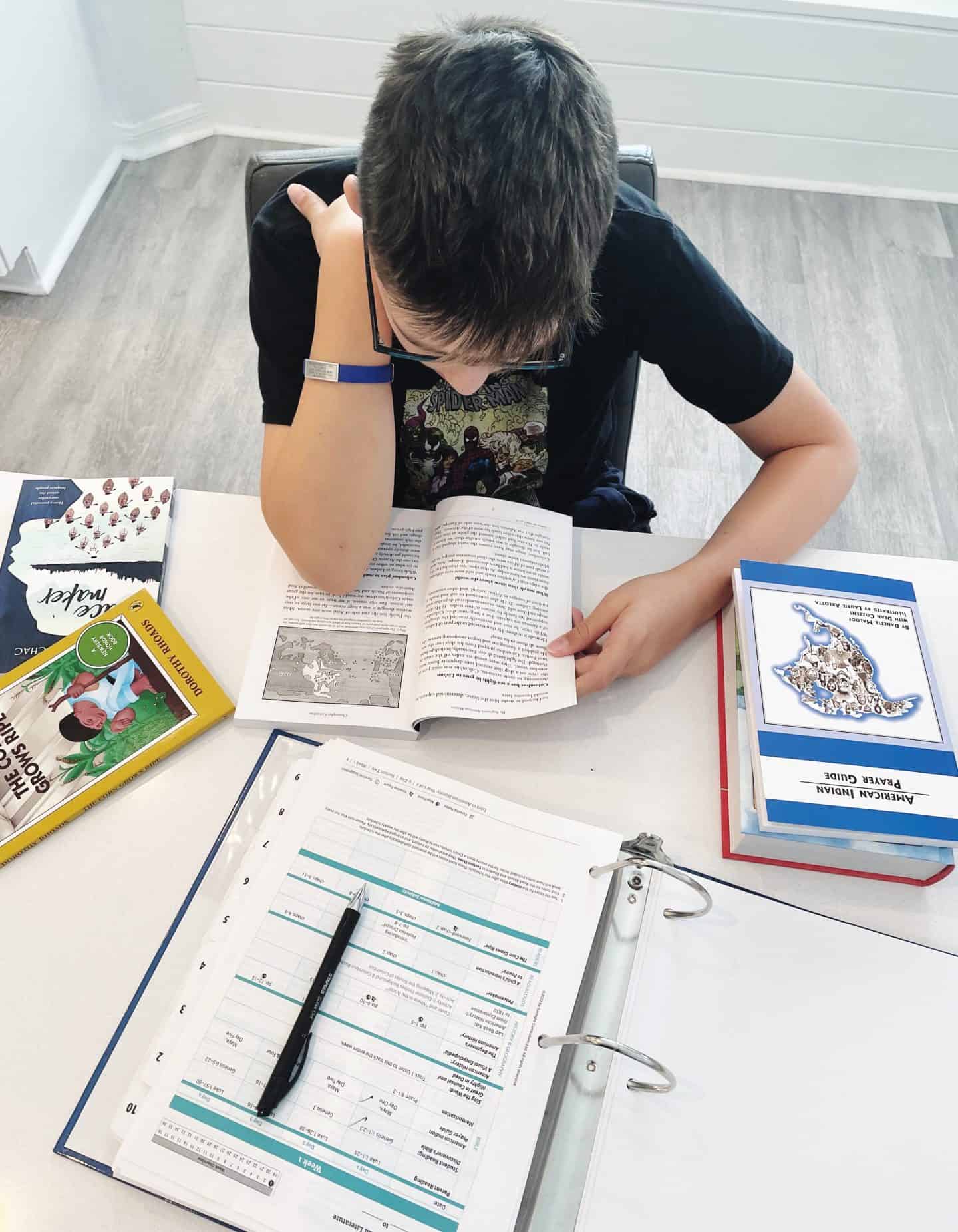
Sonlight
We used Sonlight when I wanted a clear daily plan with great historical fiction built in. The schedule kept us consistent, and the books made different eras feel real instead of abstract.
Pandia Press
History Odyssey worked better when my son wanted more independence. The mix of reading, writing, and projects gave structure without feeling rigid, and it encouraged deeper thinking about events and cause-and-effect.
Both brought history to life in different ways. Sonlight through storytelling, and Pandia Press through open-ended exploration.
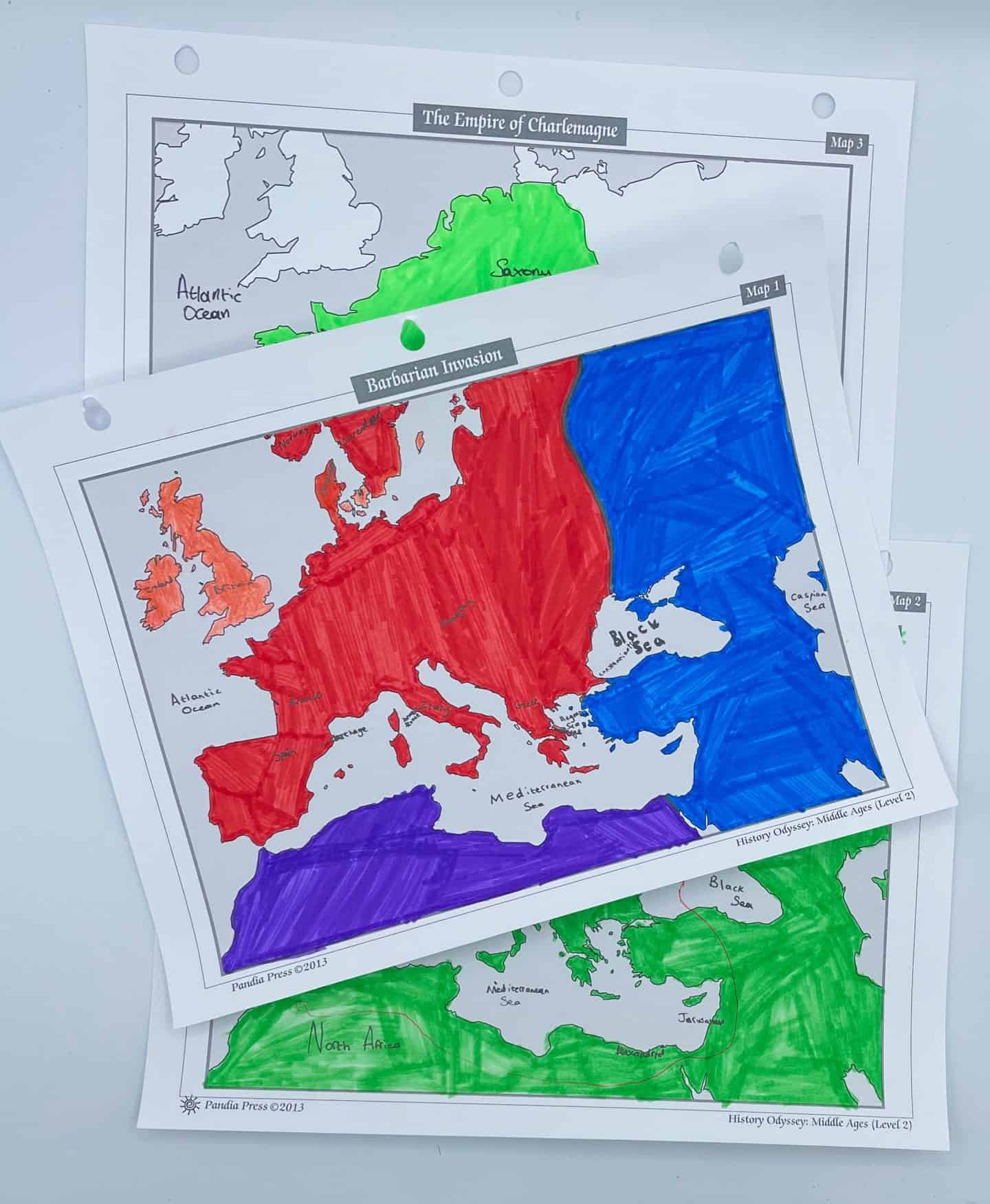
Both options bring history to life in different ways, Pandia Press through open inquiry, Sonlight through storytelling and reflection, making them standout choices for homeschoolers at any level.
If you’re curious how it fits into a literature-based approach, you can read our full Sonlight homeschooling review for a closer look.
Homeschool Geography Curriculum
Geography ended up being one of the subjects my son enjoyed the most, mostly because it felt like exploring instead of sitting through lessons. Whenever we used maps, projects, and real-world connections, it stuck far better than just reading about places.
We had the most success with programs that mixed hands-on work with simple research and visuals.
Let’s Go Geography
Let’s Go Geography was a favorite when my son was younger. The crafts, flag activities, and country studies made learning about new places feel fun instead of like extra schoolwork.
For early grades, we focused on coloring maps and simple projects. As he got older, the lessons shifted into research-based country studies and more detailed map work, which worked well for building independence.
We usually paired it with free geography printables for extra practice and to connect what we were learning to real maps.
Homeschool Economics Curriculum
Economics didn’t feel very real to my son until we started tying it to everyday life — things like budgeting, saving, and understanding how money decisions actually work outside of school.
We wanted something that went beyond definitions and helped him build practical skills he’d use as a teen and young adult.
That’s why we ended up using Mr. D Math Economics.
It worked well for middle and high school because the lessons were clear, self-paced, and focused on real situations instead of just theory.
Rather than rushing through topics, we could slow down on things like budgeting or credit when they felt especially important.
What my son found most helpful were the everyday money skills, learning how paychecks work, comparing big purchases, and understanding how credit can either help or hurt you. It made economics feel relevant instead of abstract.
Overall, it was one of the few programs that truly connected school learning to real life.
Homeschool Government Curriculum
Government didn’t really come together for us until we started connecting it to current events and everyday decisions. Once my son could see how laws, elections, and policies actually affect people’s lives, the subject felt a lot more real.
We tried a few different approaches, but while researching the best high school homeschool programs, these two worked best for high school.
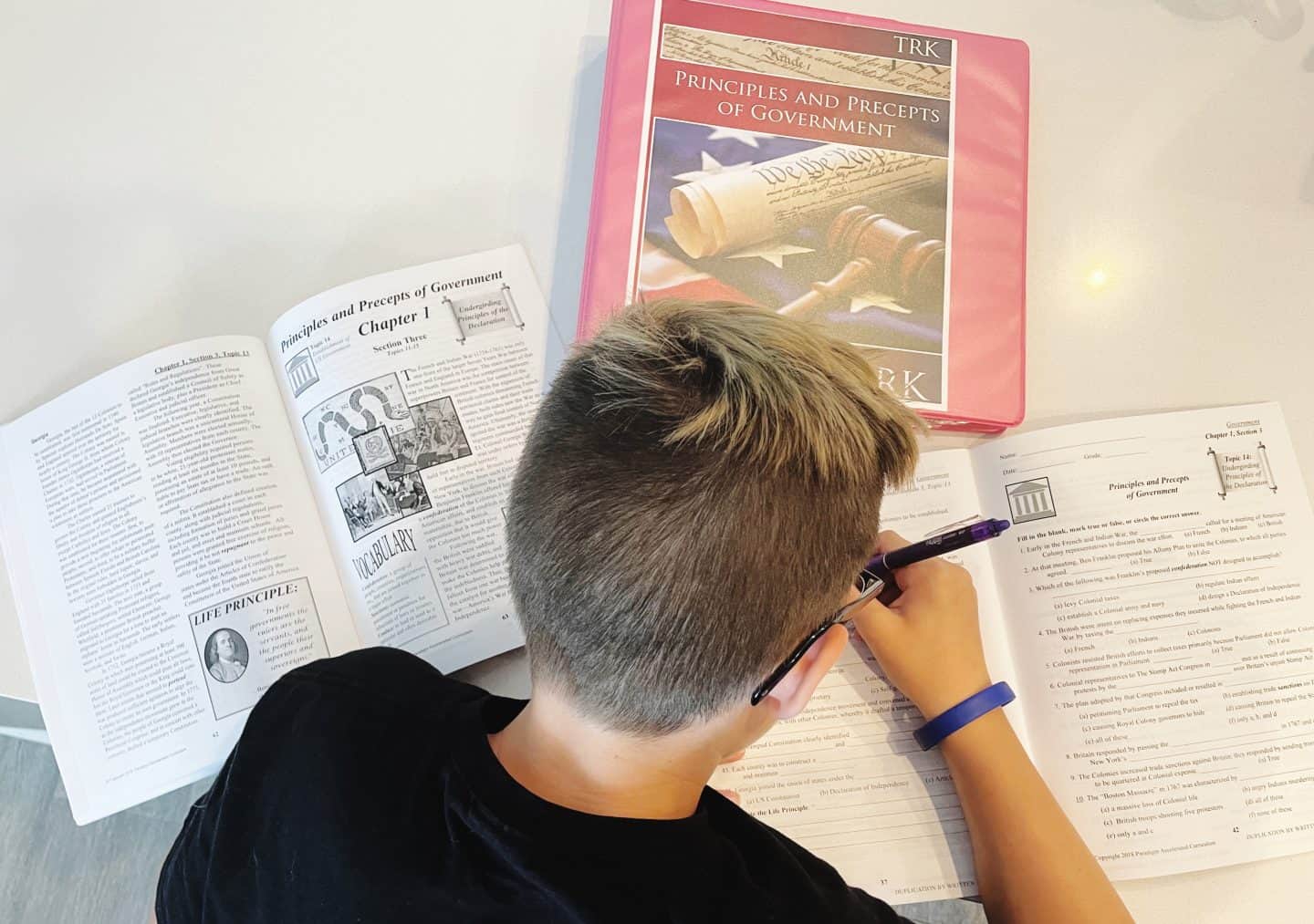
Principles and Precepts of Government – We used this when I wanted something structured that clearly explained how different types of governments developed over time. It worked well as an introduction to civics and the foundations of the U.S. system, and it naturally led to a lot of good discussions about leadership, laws, and responsibility.
It was especially helpful for building a solid overview before moving into more applied topics.
Guest Hollow Government – This one clicked when we wanted something less textbook-heavy and more connected to real life. The mix of reading, videos, and projects made it easier to understand how government ties into economics and personal decisions.
My son liked seeing how policies connect to things like money, work, and personal freedom instead of learning government in isolation.
Homeschool Civics Curriculum
Civics was one of those subjects I worried might feel dry, but it ended up being one of the easiest to make stick once we started using iCivics.
We first found it while looking for something more interactive, and it quickly became something we kept coming back to. Instead of just reading about government, my son was playing through real scenarios, running campaigns, making legal decisions, and seeing how laws actually work.
It made topics like the Constitution, voting, and branches of government feel practical instead of abstract.
I also liked how easy it was to use across different ages. Some days we’d do a quick game as a warm-up, other times we’d work through a full lesson together.
(And knowing it was created by Sandra Day O’Connor definitely gave me confidence in the quality.)
Overall, it’s been one of the simplest ways to teach civics without turning it into another worksheet-heavy subject.
Younger students can explore civics in an engaging way with our free Supreme Court coloring pages, making complex topics more accessible and fun.
Free Social Studies Homeschool Curriculum
Free programs ended up filling a lot of gaps for us, especially when we didn’t want to invest in a full curriculum for every subject.
Two options we came back to often were:
Khan Academy worked well when my son needed quick lessons or extra practice in history, civics, and economics. We mostly used it alongside other programs rather than on its own.
OER Project was better once he was older. The videos and readings helped him think more about cause and effect in history instead of just memorizing events.
Both were solid free options that blended well with the rest of what we were using.
Last Updated on 6 February 2026 by Clare Brown
